Exfoliation
Exfoliation: the key to fresh, glowing skin
What is peeling?
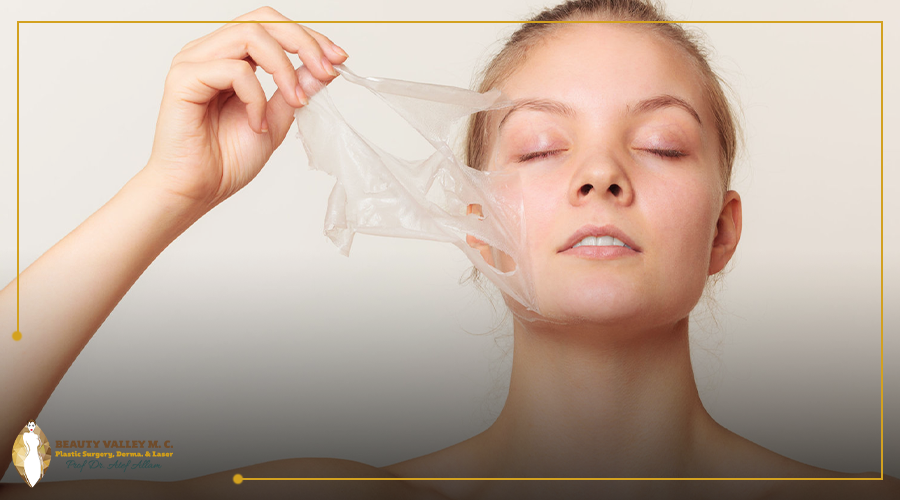
Exfoliation is the process of removing the top layer of dead skin, which helps improve the appearance of the skin and rejuvenate it. Exfoliation can be done using different methods, including:
• Chemical peeling: Certain acids are used to break the bonds between dead skin cells and remove them.
• Mechanical exfoliation: Special tools such as an exfoliation brush or dermabrasion device are used to remove dead skin cells.
• Enzyme peeling: Natural enzymes are used to break down the keratin proteins that bind dead skin cells.
What are the benefits of exfoliation?
• Deeply cleanse the skin: Exfoliation removes dirt, oil and blackheads from the skin, leaving it looking cleaner and healthier.
• Improving the appearance of the skin: Exfoliation helps improve the appearance of the skin, unify its tone, and reduce the appearance of fine lines and wrinkles.
• Stimulating collagen production: Exfoliation helps stimulate collagen production, giving the skin a more youthful and radiant appearance.
• Better absorption of skin care: Exfoliation helps improve the absorption of skin care products.
What are the different types of peeling?
There are many types of peels available, and each type has its advantages and disadvantages. Some common types include:
• Light chemical peeling: Fruit acids such as glycolic acid or lactic acid are used in this type of peeling. It is a good choice for all skin types, including sensitive skin.
• Medium chemical peeling: Stronger acids such as glycolic acid or salicylic acid are used in this type of peeling. It is a good option for treating wrinkles and dark spots.
• Deep chemical peeling: Very strong acids such as phenolic acid or TCA are used in this type of peeling. It is a good option for treating deep scars and wrinkles.
• Mechanical peeling: An exfoliating brush or dermabrasion device is used in this type of peeling. It is a good option for removing dead skin cells and stimulating collagen production.
• Enzyme peeling: Natural enzymes such as papaya or pineapple are used in this type of peeling. It is a good choice for sensitive skin.
What are the possible risks and complications of peeling?
Like any medical procedure, there are some potential risks and complications associated with peeling. These include:
• Redness, swelling and bruising: These are common side effects that usually disappear within a few days.
• Dryness: Some skin may feel dry after exfoliation, so it is important to use a moisturizer regularly.
• Peeling: The skin may peel after peeling, so it is important to use sunscreen regularly.
• Allergy: In rare cases, an allergy to one of the peeling ingredients may occur.
Who is a suitable candidate for peeling?
Exfoliation is a good option for people with a variety of skin problems, including:
• Dark skin: Exfoliation can help lighten and unify skin tone.
• Dry skin: Exfoliation can help moisturize the skin and improve its appearance.
• Oily skin: Exfoliation can help regulate the secretion of sebum in the skin.
• Wrinkles and lines